Short answerFor Sukkot 2026, the Northeast works especially well if you want a retreat that combines the Chag with fall scenery. Compare the exact dates, sukkah setup, minyan, Four Kinds access, lodging, whether food and meals are included, weather backup, final price and the social format before you choose a program.
Sukkot 2026 starts Friday night.
Sukkot 2026 begins at sunset on Friday, September 25 and runs through nightfall on Friday, October 2. In the Diaspora, the first two days—through nightfall Sunday, September 27—are full Yom Tov. Sukkot then leads directly into Shemini Atzeret and Simchat Torah.
That calendar matters for Sukkot program planning because arrival, food, sukkah access and transportation need to be settled before a Friday-night Yom Tov begins.
What kind of Northeast destination works?
Southern Vermont
Vermont gives Sukkot an obvious outdoor identity: mountain roads, early fall color, space around a house and cool evenings that make the sukkah feel like the center of the trip rather than a structure squeezed into a hotel courtyard.
The Catskills and Hudson Valley
These areas are practical for New York travelers and have a deeper Jewish-travel ecosystem. The tradeoff is that a popular holiday week can feel busier and more familiar than a true getaway.
The Berkshires
Western Massachusetts offers foliage, cultural towns and a relatively easy drive from both New York and Boston. The key is confirming the holiday infrastructure for the exact place you stay.
New England cities
Boston-area communities and larger cities can simplify minyan and food logistics, but they give you a different Sukkot experience than a rural retreat centered around one property.
What to compare before booking a Sukkot program.
- The sukkah: Is it large enough for the group? Are meals planned there? What is the rain plan?
- Minyan: Is prayer on site or do guests need to walk elsewhere?
- Four Kinds: Are guests expected to bring their own lulav and etrog, or is coordination offered?
- Food: Are all holiday meals included, or is the room rate separate from a meal package?
- Pricing: Is the listed number the final price? Is there a deposit, resort fee or mandatory add-on?
- Group: Is the program a large hotel crowd, family-heavy, singles-focused or intentionally curated?
- Property: Is there useful indoor space when the weather turns?
Sukkot-specific questionDo not only ask “Is there a sukkah?” Ask how the sukkah functions in the actual retreat: meals, capacity, weather, access and whether it is genuinely central to the Chag.
Group fit matters as much as the property.
Sukkot naturally provides gathering points: meals in the sukkah, Hallel, the Four Kinds, walks and Chol Hamoed activities. A good retreat uses those moments without forcing the week into a singles mixer or an over-programmed convention.
If you are coming solo, look for a program where solo guests are normal and the schedule creates repeated contact. If you are coming with a partner or friend, make sure the group format is broad enough that you do not feel like an exception. A curated house retreat can be especially effective because the same people keep crossing paths at meals, in shared spaces and during downtime.
Fall weather is part of the experience—and a real constraint.
Late September in the Northeast can be warm in the afternoon and cold at night. Rain is always possible. A strong Sukkot program has both an appealing outdoor plan and enough indoor space that bad weather does not collapse the social experience.
Pack layers and shoes that can handle wet ground. If you are bringing your own Four Kinds, plan for secure transport and storage too.
Hamsa Nomads · Southwest Vermont · Friday, September 25–Tuesday, September 29Hamsa Nomads Sukkot Program 2026 in Vermont.
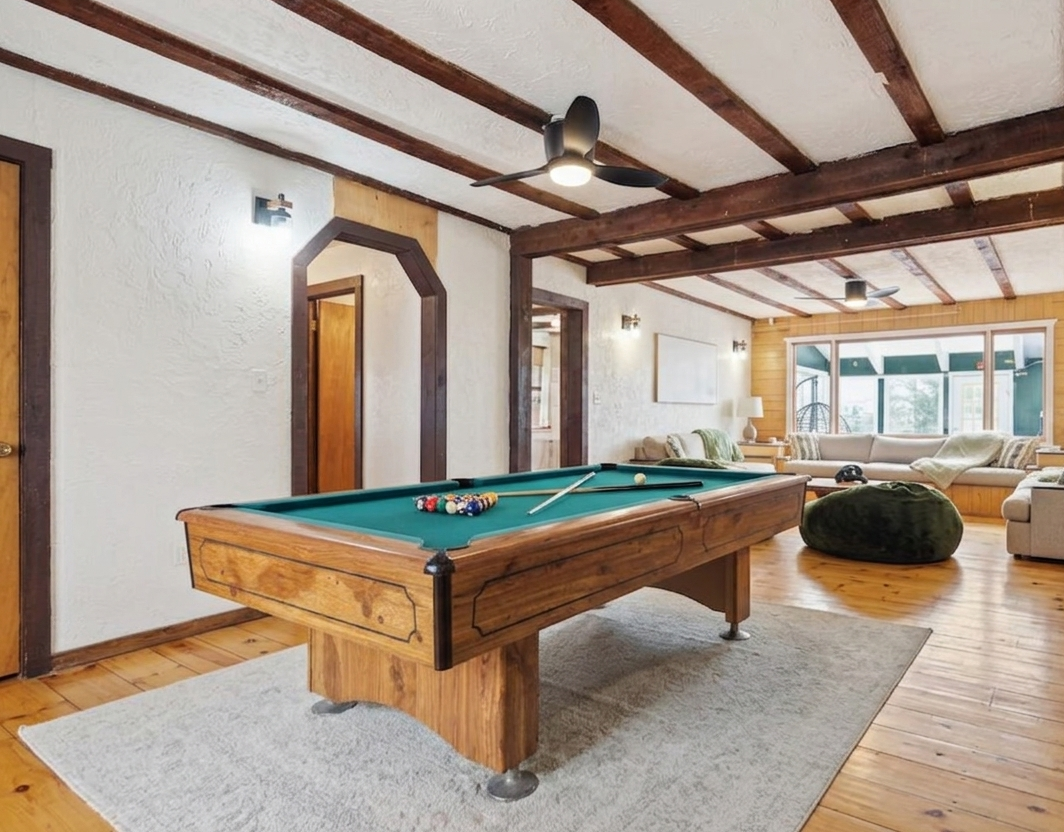
The Hamsa Nomads retreat is a five-day, four-night Sukkot stay in a private Southwest Vermont property: check-in Friday, September 25 at 4:00 PM and check-out Tuesday, September 29 at 10:00 AM. The retreat includes sukkah meals, minyan, Torah, Four Kinds, fall time outside, discussions, games, music and a curated group. Final prices are $450 camping, $550 for a Twin bed in a shared room, $600 for a Queen bed in a shared room, $1,150 for a private room with two Twins, $1,200 for a private room with a private bathroom and $1,350 for a private suite with a private bathroom. Food and meals are included, and a $150 deposit reserves a place and is credited toward the final price.
Holiday date sourceSukkot 2026 dates and the first-two-days Yom Tov timing were checked against Chabad.org’s 2026 Sukkot calendar. Retreat-specific dates and details should always be confirmed with the organizer.