Packing & Gear
Kosher Backpacking Kit: The Spices Can Come. The Whole Pantry Can't.
Plan a kosher backpacking kit around the meals, a small eating pouch and your own approved spices. Your shoulders get a say in the packing list.
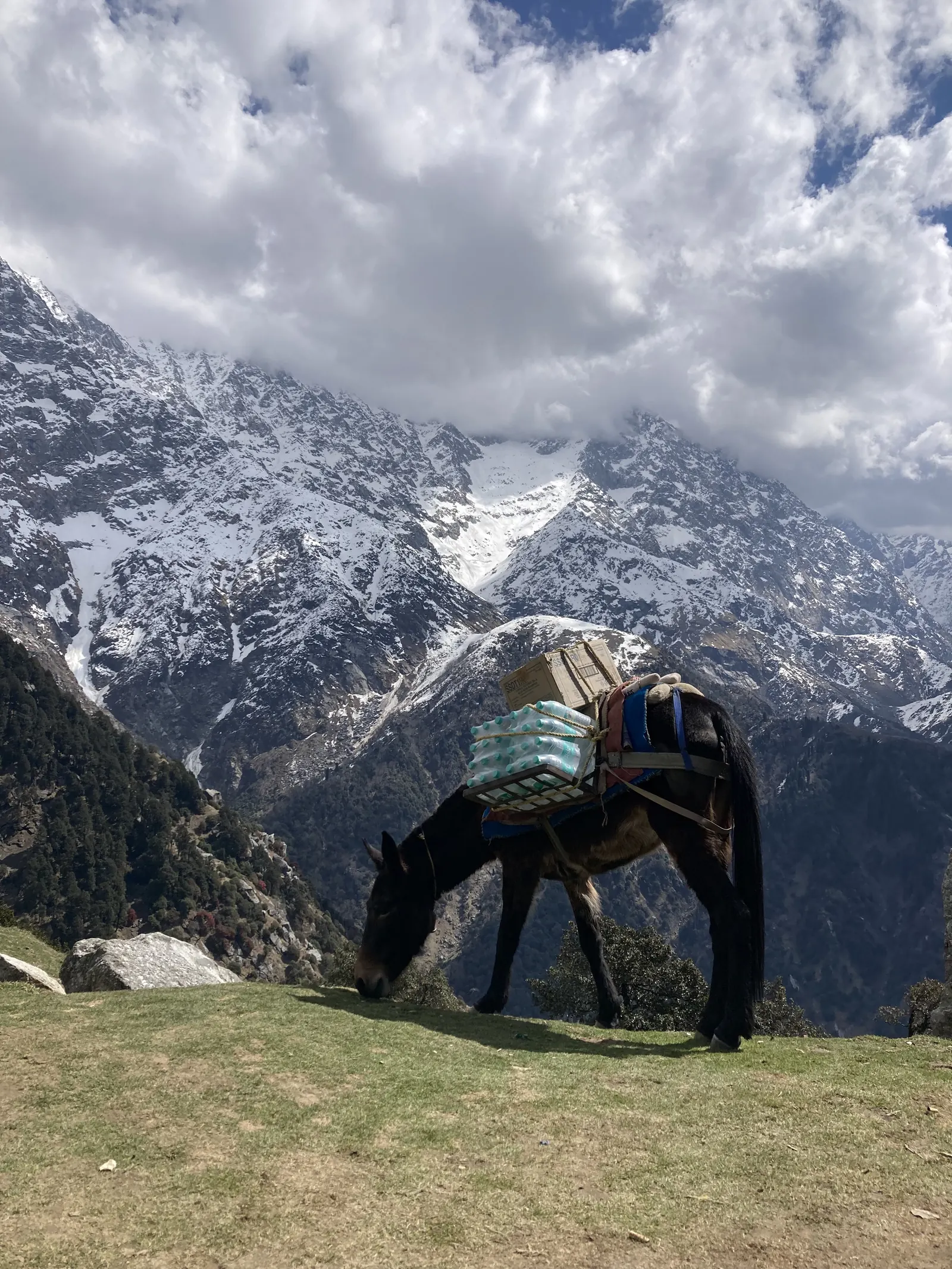
Every extra bowl is coming up the hill with you
A kosher backpacking kit is a good place to be honest about what you'll actually cook. It is easy to love a tiny piece of gear while packing at home. You'll have another opinion when you're carrying it uphill.
Start with the meals, snacks and reserve food for the route. Check the current certification of packaged foods and anything you repackage. A travel container won't settle the contents' kosher status, and the word kosher in a description isn't enough.
Make a pouch for the next meal
For a simple trail setup, keep the eating tools together. Our list includes the Sea to Summit long-handle spoon, an option to compare for deeper containers or meal pouches. Check its length, material and weight against your plan.
Bring the bowl, cup or cookware your meals actually require and keep the kosher assignments clear. Give used pieces a place away from clean tools. Finding a spoon should take less time than choosing which rock to sit on.
A small shaker can make room for familiar food
The GSI compact salt-and-pepper shaker gives a little seasoning a home. Fill it with your own approved spices, label the compartments and check the closure. You get to choose the flavors; the container doesn't certify them.
Pick seasonings you'll use across several meals. Five miniature jars may look adorable on the counter, but they still mean five jars to carry and five lids to find. A little planning can keep lunch familiar without recreating the pantry.
Leave room for the route's essentials
The Nalgene bottle, PETZL headlamp and Osprey raincover each have a job to consider. Check bottle capacity against your water plan, the headlamp's operation against your intended use, and the cover against the loaded pack.
A bottle isn't a water-treatment system. Check the route's water sources and requirements before leaving. Protect the items that need to stay dry inside the bag as well; a pack cover doesn't make every seam waterproof.
Try your packing arrangement before the trail does
Pack a day's meals and use your intended containers at home. Can you open everything? Does the spoon reach? Can you get lunch out without removing your rain layer and half the bag? This is a rehearsal for your own kit; we haven't tested the listed products.
If the route includes Shabbos, settle carrying, lighting, campsite and route questions with the guidance you follow before the trip. Then close the pack and check the weight of the whole thing. Your shoulders are part of this conversation.
The last look
Before the bag closes
- The actual meals, plus reserve food
- 1 eating pouch with your assigned tools
- Approved spices in a labeled shaker
- Water availability and treatment checked for the route
- Total packed weight checked at home
See what we'd put on the shortlist
Compare the listed options with your plan, dimensions and instructions. Availability and product versions can change.